
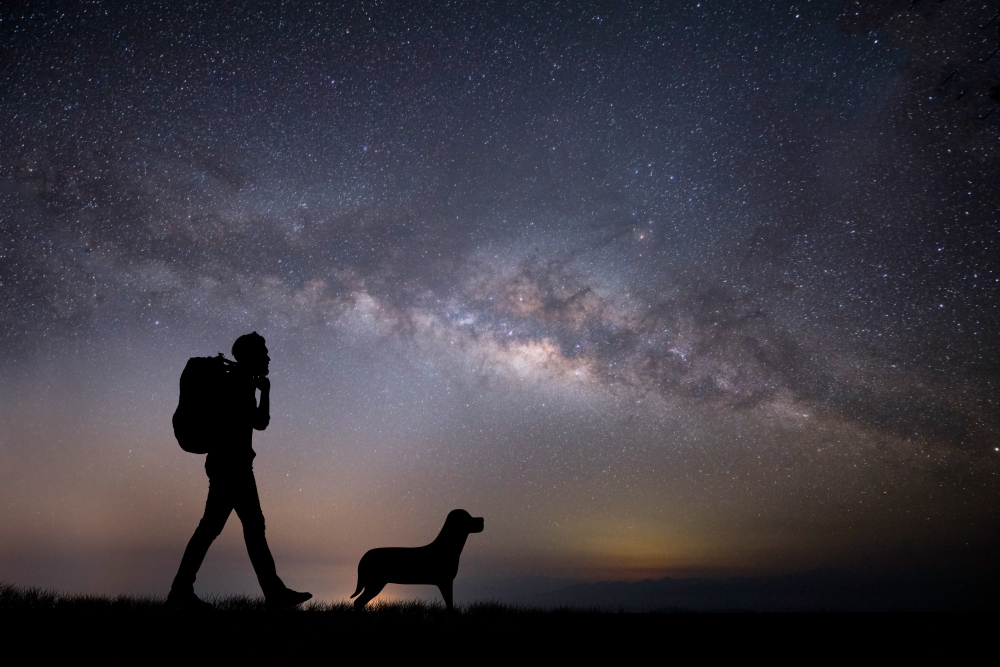
Visiting a dark-sky destination can quickly become a memorable nighttime adventure if you plan correctly. How to Plan a Star Gazing Trip? is a question asked by many new stargazers before getting on the road to a dark-sky destination. The mind first sets out to find an area with low light pollution, check the forecast for potential cloud cover, and begin assembling your gear for travel, but there are many other factors to consider. The important thing is preparing to travel, no matter if it is to explore the universe with your family or friends or on your own.
What Makes a Stargazing Experience Truly Memorable?
Stargazing Experience is way more than just looking at stars. A stargazing experience is memorable when you see constellations, planets, galaxies, and meteor showers against a black sky. The environment is peaceful and very educational, and you get to escape city life. If you bring binoculars or a telescope, you will see amazing things in the sky that are not visible to the naked eye.
Why Are California’s Dark Skies Perfect for Astronomy?
The state of California has a remarkable range of landscapes that provide optimal stargazing conditions. Astronomy enthusiasts are attracted to Stargazing Tours California because many of these venues are located in areas of low light pollution, at high elevation, and with expansive horizons. From desert landscapes to coastal viewing sites, these locations may provide you with the opportunity to see amazing constellations, faraway galaxies, nearby planets, and seasonal celestial bodies that would be impossible to observe from a city.
What Should You Pack Before Heading Out at Night?
Stargazing is more enjoyable when you come prepared. Don’t forget warm clothing, a comfortable seat, a red-light flashlight, a pair of binoculars, star charts, and water. A fully charged phone with an astronomy app can help you identify the constellations and planets as they appear. Thoughtful packing saves time spent looking for items you may have forgotten.
When Is the Best Time to Go Stargazing?
The timing of your night sky observations can have a big impact on what you observe. Because of the light pollution in the area, the best viewing conditions are even better during clear nights and when the Moon is little or not visible, which allows fainter objects to become visible. Make sure to check any applicable astronomical calendars before your trip to ensure you get the best possible viewings within the time you can observe. Here are some of the most popular seasonal events that may take place: meteor showers, planetary conjunctions, and lunar eclipses.
How Can Guided Stargazing Tours Improve Your Adventure?
- Professional guides can identify stars, planets, and constellations.
- High-end telescopes can see more deep-sky objects.
- Explanations improve the learning experience in astronomy.
- Dark-sky locales are much better places to observe than urban ones.
- These tours are good for all levels of skywatchers, from newcomers to families to experienced astronomers.
How Can You Choose the Best Stargazing Location?
Choosing the appropriate location is one of the prime factors in your plans for a night under the stars. Regions with little light pollution, limitless views, and calm weather provide the best views of astronomical objects. Observers will want to choose dark-sky sites, national parks, and mountain-viewing locations. By consulting light pollution maps and weather reports before you go, you’ll increase your odds of seeing a brilliant sky of stars and planets.
Why Is Weather Important for Stargazing Success?
Even the finest telescope cannot beat the clouds, so weather plays a big role in every stargazing trip. Clear skies, low humidity, and calm skies create the best stargazing conditions, allowing you to see stars, planets, and deep-sky objects with the sharpest images. By checking the hourly forecast before you leave the house, you can avoid bad conditions. Planning around new moon nights also enhances stargazing by eliminating natural light and allowing you to see even the faintest objects all night long.
What Celestial Objects Can Beginners Easily Spot?
You do not need to be an expert on astronomy to take pleasure in the sky at night. Often, beginners can identify the Moon, the bright planets such as Venus, Jupiter, and Saturn, and the well-known constellations such as Orion and the Big Dipper. In some seasons, meteor showers and the Milky Way can be seen from dark sites. In learning to recognize these objects, you gain confidence in stargazing and increase the enjoyment of every visit, and also increase your motivation to delve further into the universe. For more information, connect with Night Sky Adventure.